
What Makes a Good Day Fly Fishing the South Holston & Watauga
What Makes a Good Day on the River?
Fly Fishing the South Holston and Watauga Rivers in East Tennessee
Having a good day?
What is your metric for a good day — or even a great day — on the river?
That answer is personal. And more often than not, it’s decided long before you launch the boat on the South Holston River or step into a run on the Watauga River here in East Tennessee.
Working in the shop on the days I’m in, it’s one of the best parts of the job — talking with anglers before they head out and again when they come back in. Some are flipping through hatch charts, picking up a fresh leader and a spool of tippet, and sorting through flies before they ever step foot on the South Holston River or the Watauga River. You can see the anticipation building as they piece together their plan.
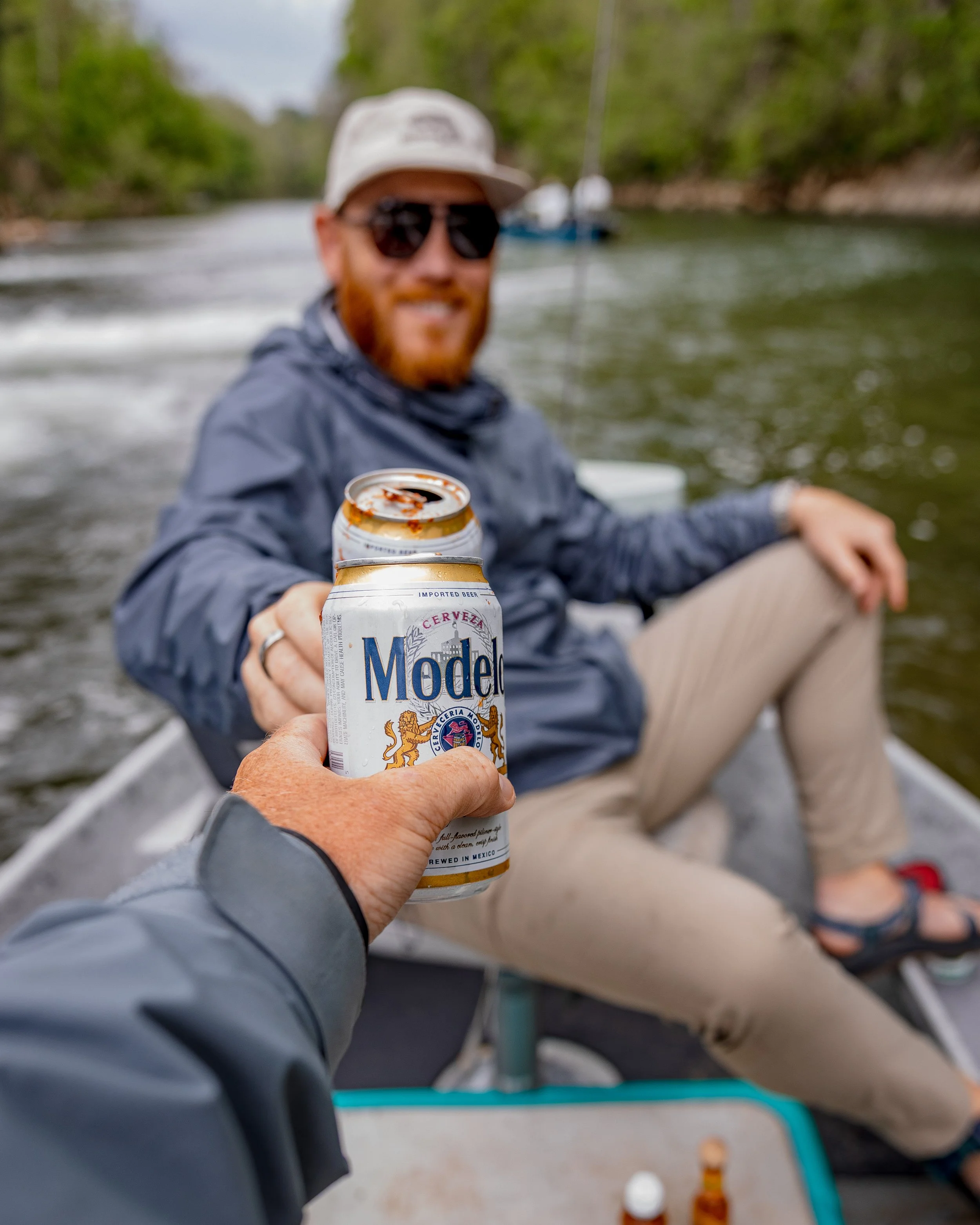
Others walk back in at the end of the day, waders half unzipped, grab a cold beer at the bar, and unpack every missed eat, every solid drift, and every fish that came unbuttoned. Some are fired up. Some are humbled. Most are somewhere in between.
And that’s the interesting part.
Two anglers can fish the same stretch of river, under the same conditions, and walk away with completely different versions of how the day went.
The range of enthusiasm is fascinating.
It got me thinking: what is my ultimate goal when I walk into the river? How do I manage expectations? What do I measure as a good day fly fishing in East Tennessee?
Because every angler goes through phases.
Phase 1: Just One Fish
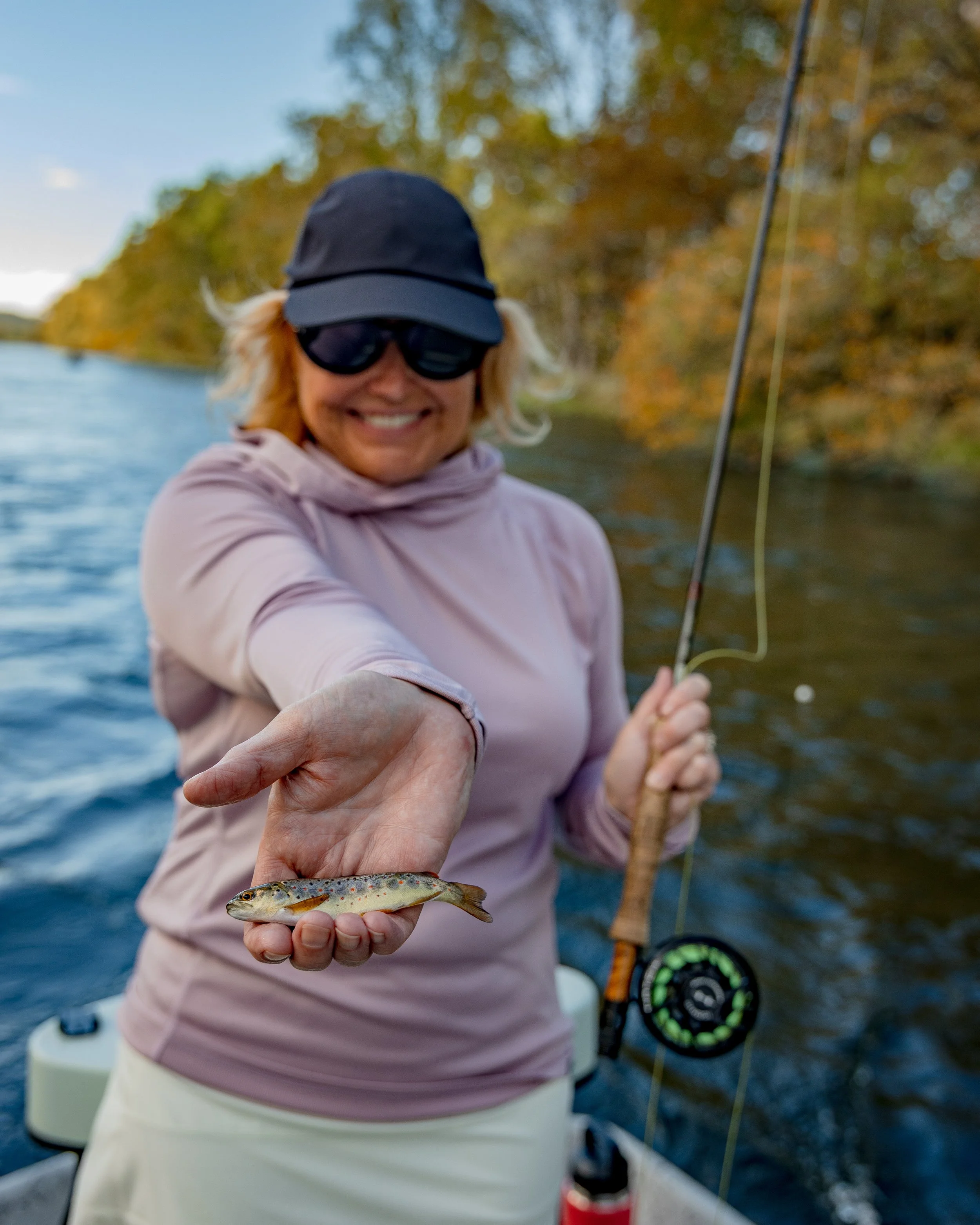
At some point, all you want is to catch a trout on your fly rod.
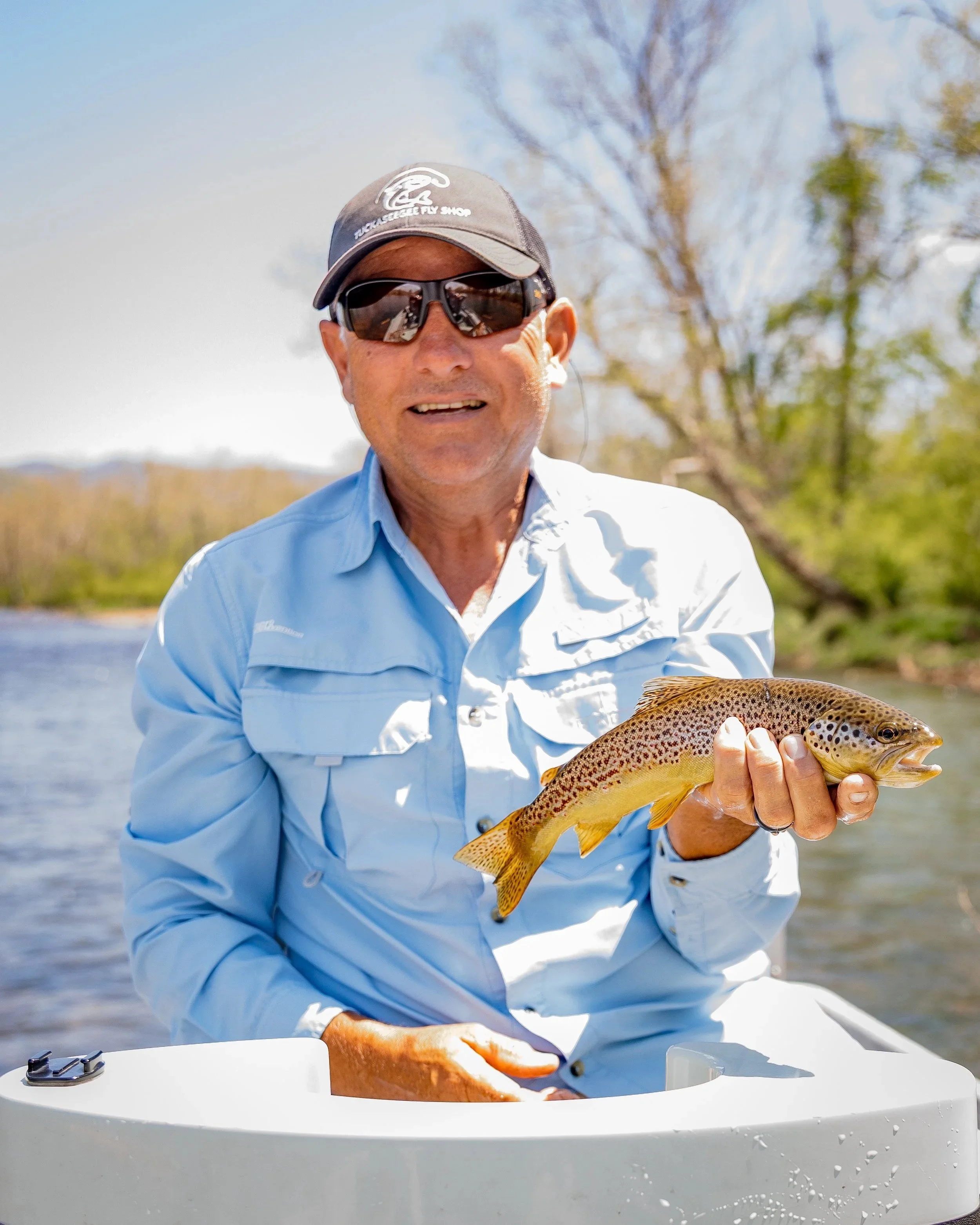
It doesn’t matter if it’s a wild South Holston brown that ate a size 20 midge or a Watauga rainbow that grabbed a nymph under an indicator. You just want that first connection.
Success here is simple: one fish.
And that phase is pure magic.
Phase 2: Numbers and Problem Solving
Then something shifts. You’ve proven you can catch one. Now you want to catch a bunch.
You start paying attention to:
Timing of the Sulphur hatch on the South Holston
Midges and BWOs in colder months
Generation schedules on the South Holston and Watauga
Water clarity after rain
You experiment with technical nymph fishing, adjusting weight and depth until everything drifts naturally. You dial in your mends. You learn where fish slide to when TVA bumps the flow.
You might dedicate a whole morning to indicator nymphing just to figure out a seam.
Now success looks like productivity. Double-digit days. Consistency. Cracking the code.
Phase 3: Style, Challenge, and Intentional Fishing
Eventually, it’s not just about catching fish — it’s about how you catch them.
Maybe you decide today is a dry fly day, even if the fish aren’t fully committed yet.
Maybe you spend the afternoon swinging wet flies through softer water, feeling that slow, heavy grab instead of watching an indicator.
Maybe you challenge yourself with tight-line or Euro-style techniques in skinny water.
Sometimes a good day isn’t about numbers at all — it’s about committing to a style and sticking with it.
And sometimes it’s about fishing something you tied the night before.
There’s something different about fooling a good South Holston brown on a sulphur pattern you tied yourself. Or testing a new variation on a soft hackle on the Watauga just to see if it moves fish differently.
When you start tying your own flies, success expands. Now it’s not just “Did I catch one?” It’s “Did that idea work?”
That’s a different kind of satisfaction.
The Big Fish Phase
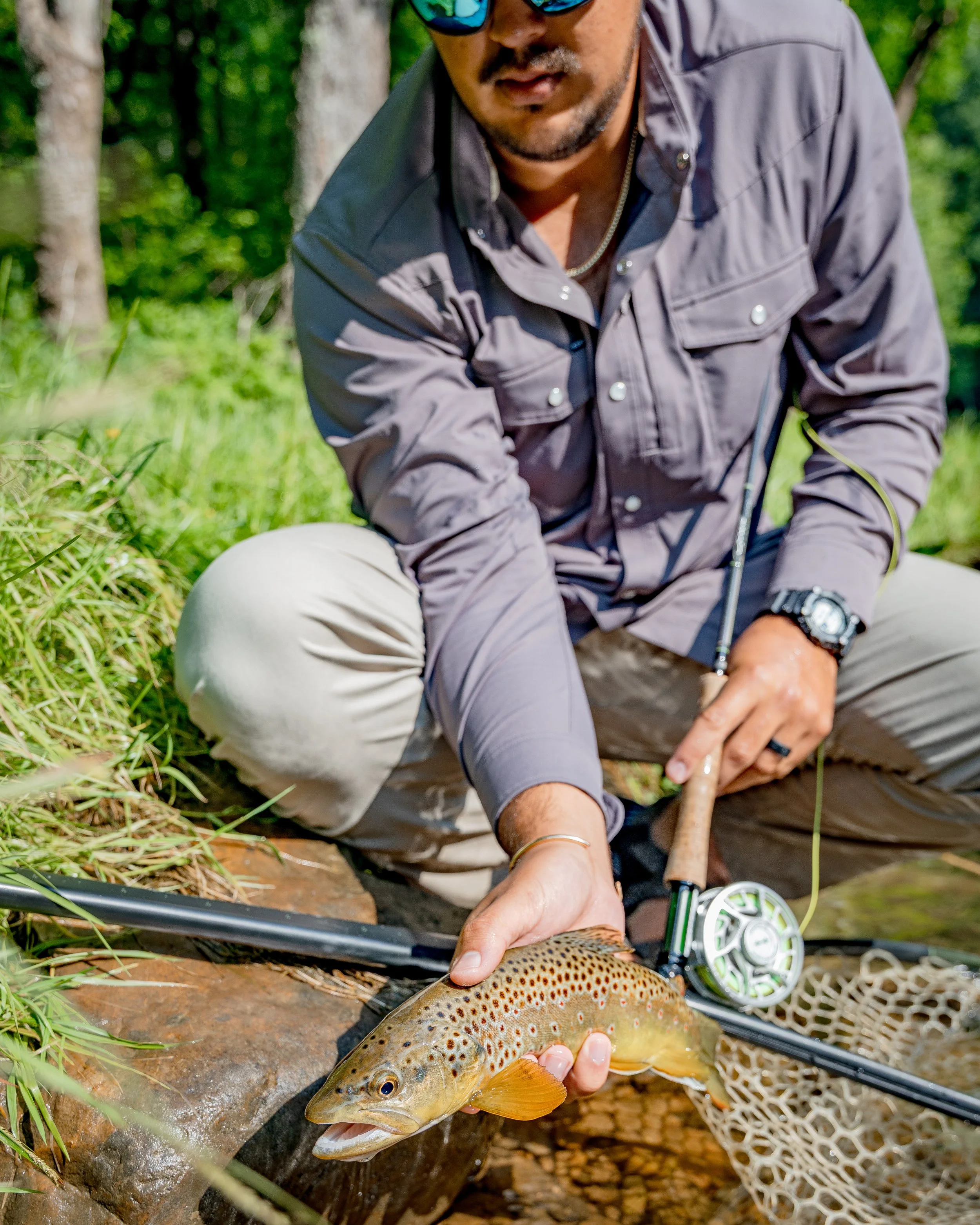
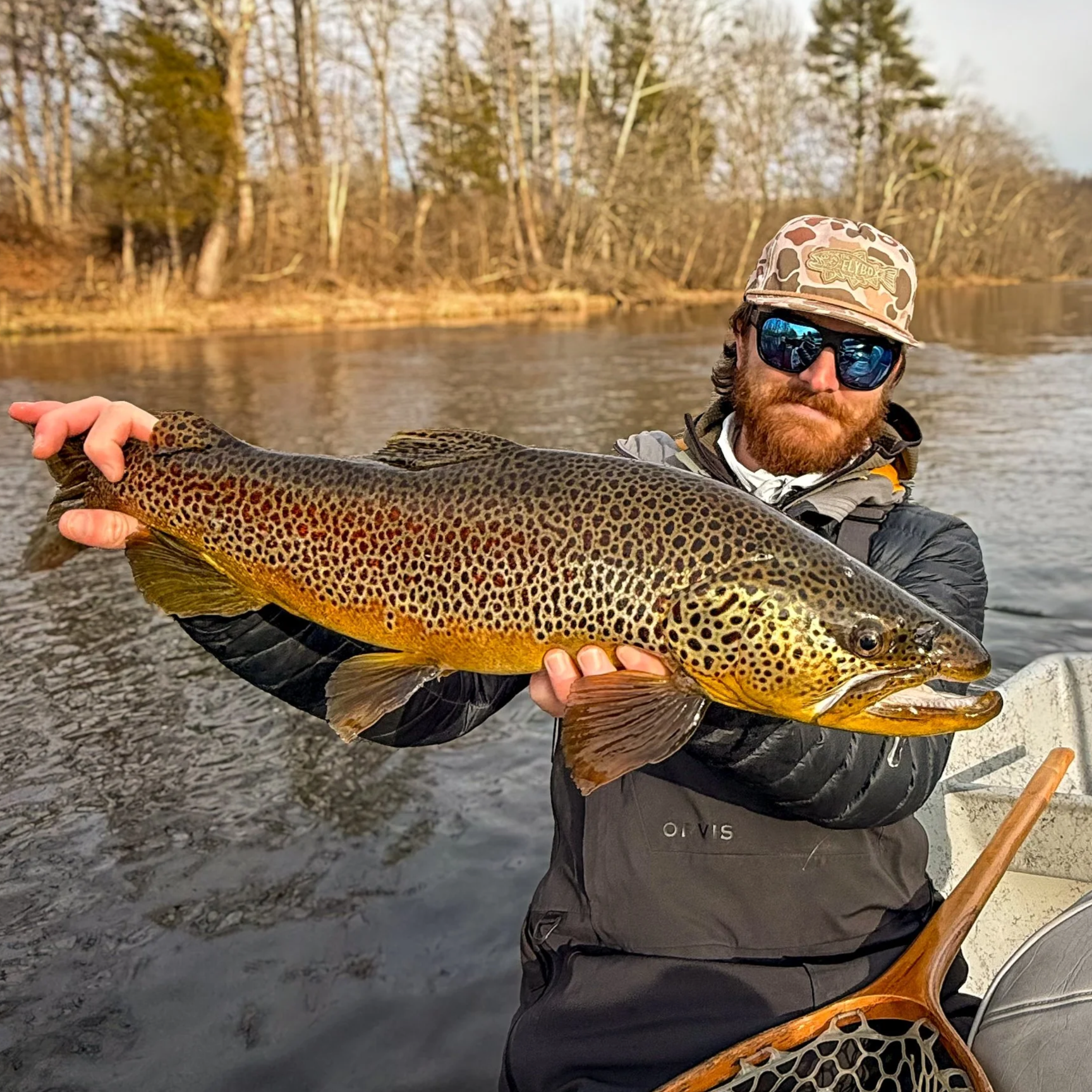
And then, of course, there’s the hunt. Now it’s not about numbers or style experimentation. It’s about one fish.
A heavy brown sipping sulphurs in the same seam every evening. A deep rainbow holding on the first ledge during low generation. You fish longer leaders. You change angles. You wait for better light. One fish can make the entire day.
The Hidden Pressure: Time
There’s another factor most of us don’t talk about enough — time.
Work schedules. Family commitments. Responsibilities.
Sometimes you only get two hours on the river.
And when time is tight, it’s easy to rush.
You feel like you can’t slow down. You bounce from run to run. You change flies too quickly. You fish with a sense of urgency instead of intention.
Ironically, that pressure can rob you of the very thing you came for.
On rivers like the South Holston and Watauga, slowing down matters more. Good drifts beat fast steps. Patience beats panic.
Sometimes a good day is simply allowing yourself to enjoy the limited time you have — instead of measuring it against what you wish you had.
Managing Expectations on East Tennessee Tailwaters
The truth about fishing the South Holston and Watauga is this:
Conditions change daily.
Water releases shift.
Hatches vary.
Fish reposition.
Pressure moves.
If you show up expecting one thing and the river gives you another, frustration comes quick.
But if you walk in with intention — whether it’s learning technical nymph fishing, committing to dry flies, swinging wets, testing your own patterns, or just enjoying two quiet hours — you’ll leave feeling different.
Two anglers.
Same river.
Same conditions.
Different expectations.
Different outcomes.
That’s something we see in the shop all the time.
The happiest anglers aren’t always the ones who caught the most trout. Often it’s the angler who tried something new. Or slowed down. Or finally trusted their own fly.
So What’s My Metric?
These days, a good day for me on the South Holston or Watauga is simple:
Did I learn something?
Did I fish with intention?
Did I stay present instead of rushing?
If I get one honest eat that makes my heart jump — on a fly I tied, on a drift I executed the way I pictured it — that’s enough.
Sure, 20-fish days are fun.
Sure, big fish are special.
But more and more, I measure a good day by how I fished — not just what I caught.
What Phase Are You In?
Are you chasing your first trout in East Tennessee?
Trying to dial in technical nymph fishing on the South Holston?
Waiting for the perfect dry fly eat?
Swinging wet flies just because it feels right?
Or simply trying to make the most of a couple of hours between responsibilities?
There’s no wrong answer. But it helps to know before your boots hit the water.
Because most of the time, a “good day” on the South Holston or Watauga is decided before you ever step in.
If you want to talk about current conditions, flies, techniques, or just figure out what phase you’re in, swing by the shop. Grab a cold one after the river and tell us how your day measured up.
The river will always have its own plan.
But your expectations?
Those are yours to set.