
A Fall Overview / River Report - South Holston & Watauga Rivers
AN OVERVIEW
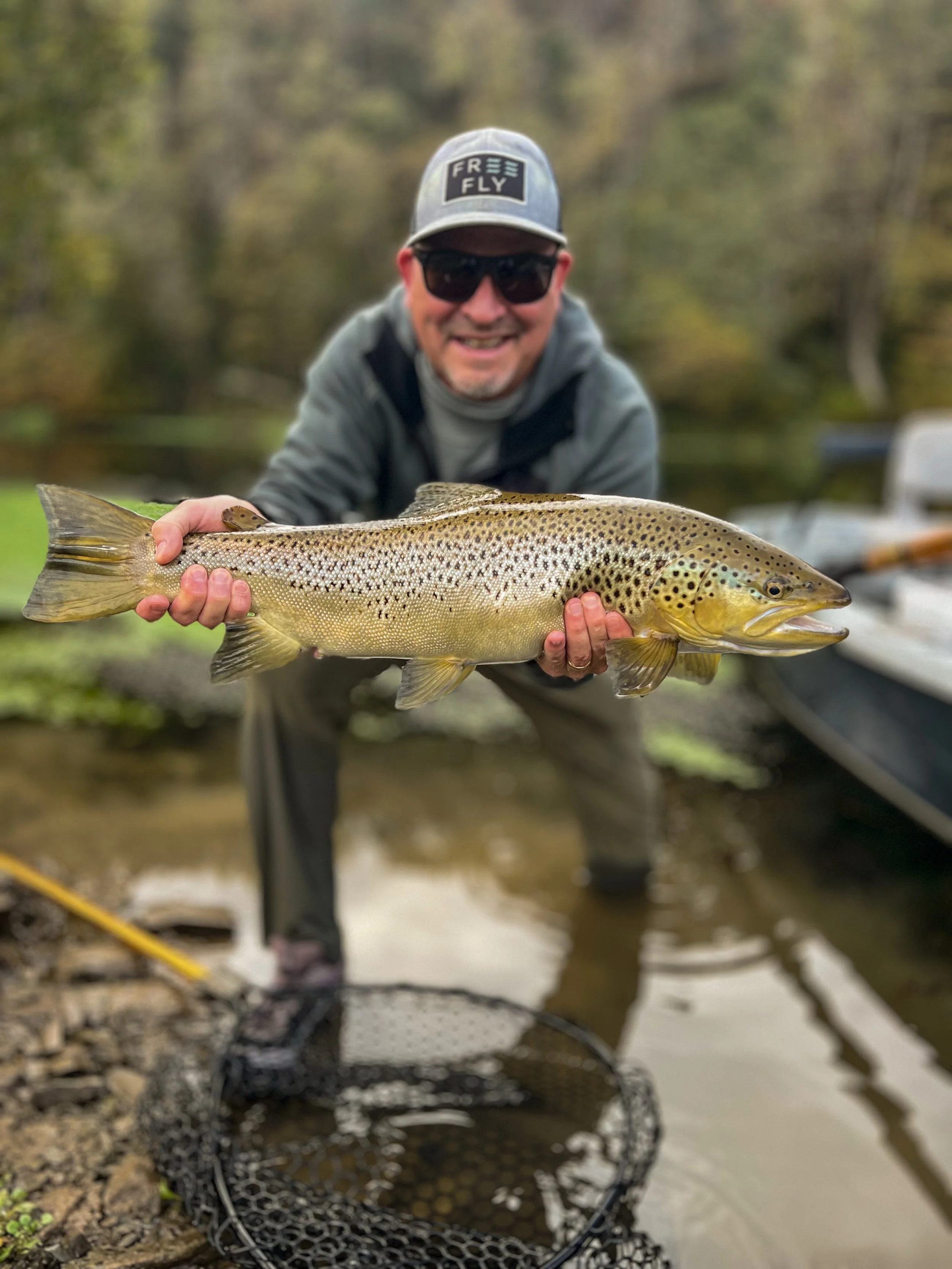
Fall delivered some of the best dry fly fishing and nymphing we’ve seen in a while on both of our tailwaters. Consistent BWO hatches, warmer weather, and varied flows have offered great opportunities for both wade and float anglers.
SOUTH HOLSTON RIVER
Starting at the end of September, we had good flows and a stretch of favorable weather, which led to excellent dry fly fishing and nymphing. Higher flows produced great opportunities to float much of the river, allowing anglers to target fish in lower sections that are typically difficult to access during low water. We began seeing early signs of BWOs, along with consistent sulphur hatches throughout the river.
Nymphing was consistent from morning through midday using slightly larger, flashier patterns, as well as the usual small mayfly and midge nymphs the “SoHo” is known for. Fishing softer water along the banks with in-line nymph rigs proved very effective for finding fish. Seeking out water that other boats weren’t fishing helped add a few extra fish at the end of the day.
Afternoons became more technical. Long leaders and dry-dropper rigs were effective once fish began “sipping” along the banks or in softer water.
October and November continued with good flows for drift boat anglers, though we did see some flow reductions that allowed wade anglers to get out as well. On low water, the nymph bite was consistent early in the morning. Timing TVA pulses correctly made for productive fishing and increased bug activity. Long leaders (10–12 ft) helped get flies away from the fly line when fishing both nymph and dry fly rigs. Using 6X—and even 7X—tippet was key for fooling spooky fish.
Small bugs such as size 18–20 olive midges, unweighted pheasant tails, and quill-bodied nymphs were most productive. Small yarn indicators helped by creating minimal disturbance when casting. Dry fly fishing also remained productive, with small midge dries and black caddis in the mornings, followed by sulphurs and BWOs in the afternoons.
By December, flows dropped further and low-water conditions became more common, but bug activity remained strong. BWOs were still present, and fish continued feeding actively on the surface. Dry-dropper rigs featuring size 18–20 Blue Winged Olive duns with midges or CDC BWO emergers suspended below were very productive for technical fish in low water.
Wade Fishing Notes:
Results were mixed—some windows of solid dry fly action followed by slower periods. Early mornings and late evenings during low flows were the most productive. Monitoring one-hour releases can be very helpful, especially when fishing falling water after a pulse moves through your section.
Dry-dropper setups with a size 18 BWO trailing a size 18–20 midge were very productive. Running the second fly 8–10 inches below the dry worked well. The water is gin clear, so stealth is critical. Long leaders and making your first cast count are essential when targeting larger fish. Read the water carefully and plan your drift before casting.
“This river will humble you—but it’ll make you a better angler. Stick with it, get creative, and it’ll reward you.”
“This river will humble you—but it’ll make you a better angler. Stick with it, get creative, and it’ll reward you.”
DRY FLY FISHING
Best Dry Fly Setups:
#18 BWO CDC Sparkle Dun
#18 Sulphur Dun
Long leaders and light tippet are key—start with a 10’ 5X leader and add length with 6X or even 7X if needed. While we’re still seeing some midges and small black caddis, most days a single BWO dry has been all you need.
LOOKING AHEAD
As we move out of winter, TVA will begin allowing the lake to fill for summer pool, so expect mostly low-water flows throughout the day. This is ideal for wade anglers and walk-and-wade guided trips.
Click here for the South Holston Dam generation schedule!
Suggested Patterns
Nymphs
Weiss Dark (Silver Bead) #18–20
Pheasant Tail (non-weighted) #18-20
Stripper Midge #20
Black Midge (Silver Bead) #18
Olive Midge (Black Nickel Bead) #18-20
Dry Flies
Birchell’s Hatch Midge #18–20
Sulphur CDC Comparadun #16–18
Sulphur CDC Sparkle Dun #16
Olive RS2 #18
BWO Sparkle Dun #18–20
Olive Puff Daddy #18
Olive CDC Emerger #18–20
Streamers
Wooly Buggers
Olive & White Dungeons
White Peanut Envy
Olive Peanut Envy
Tan Peanut Envy
WATAUGA RIVER
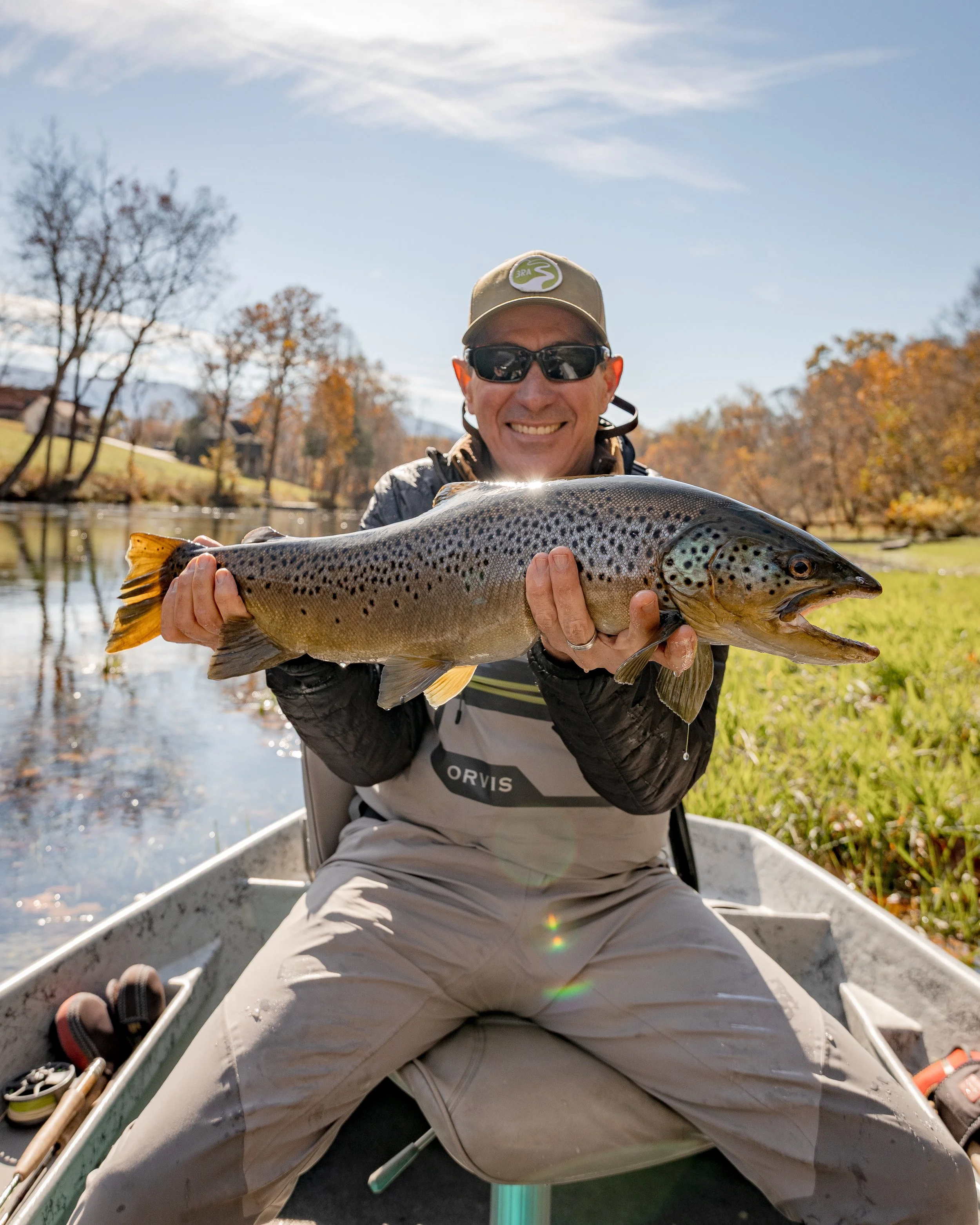
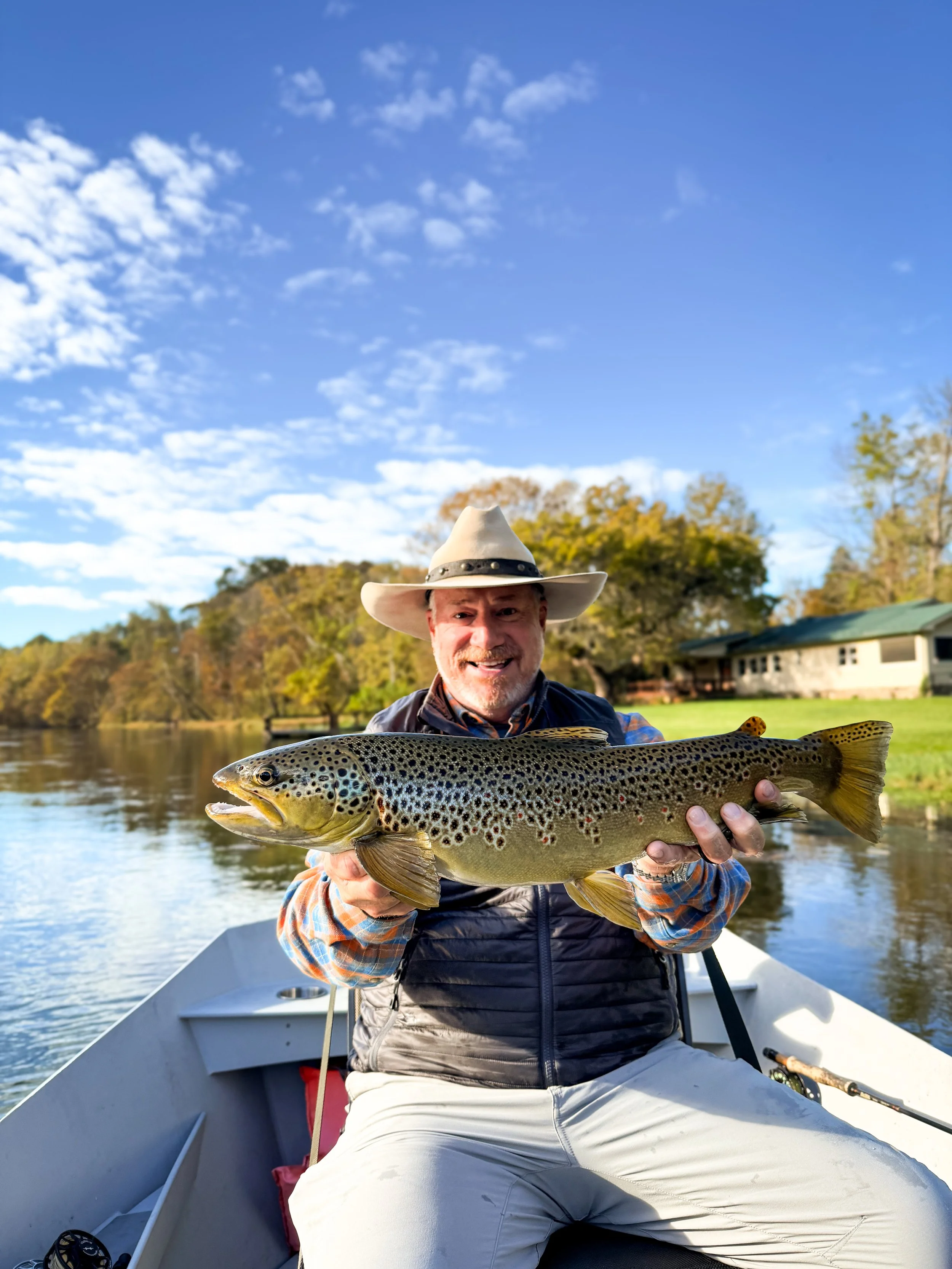
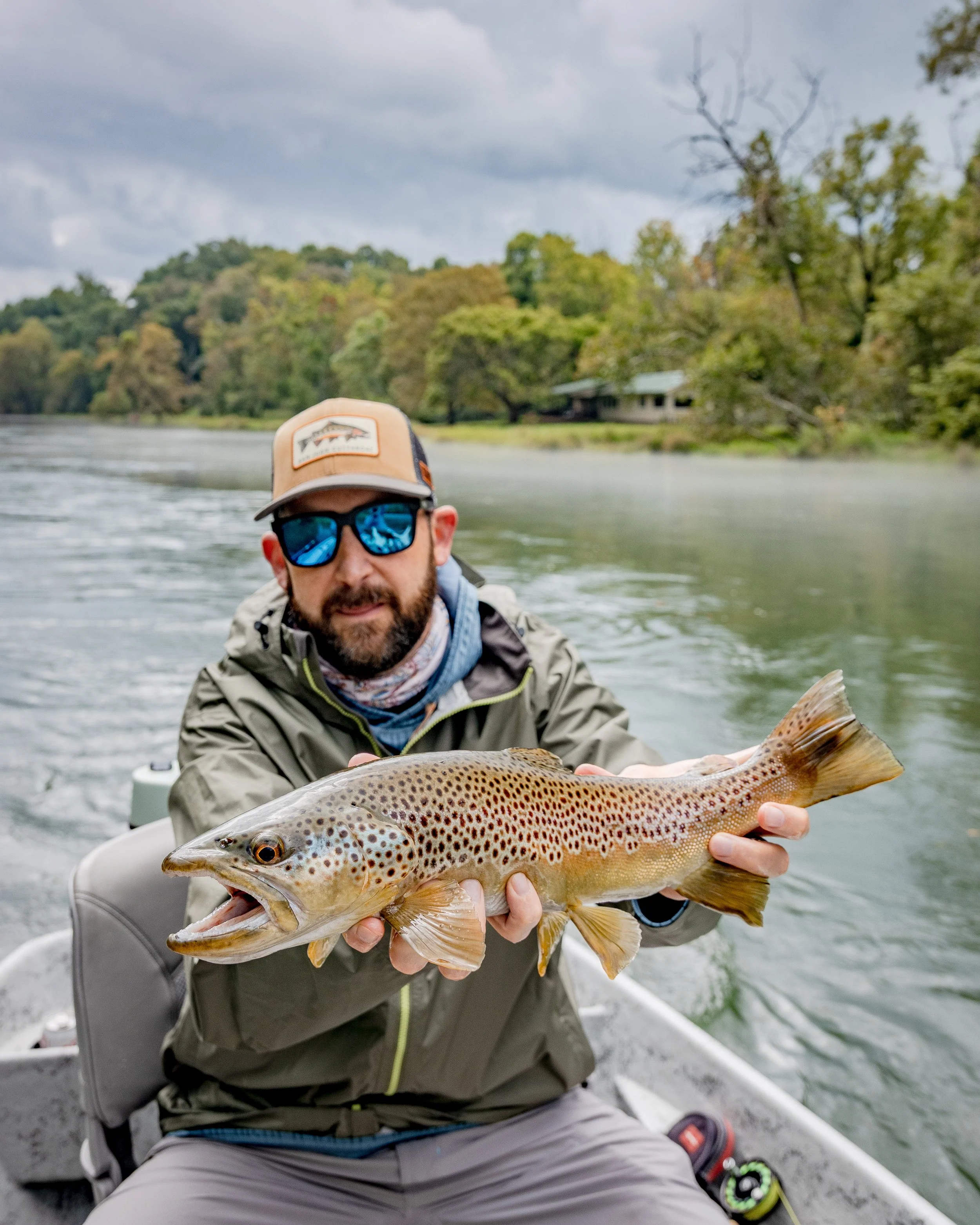
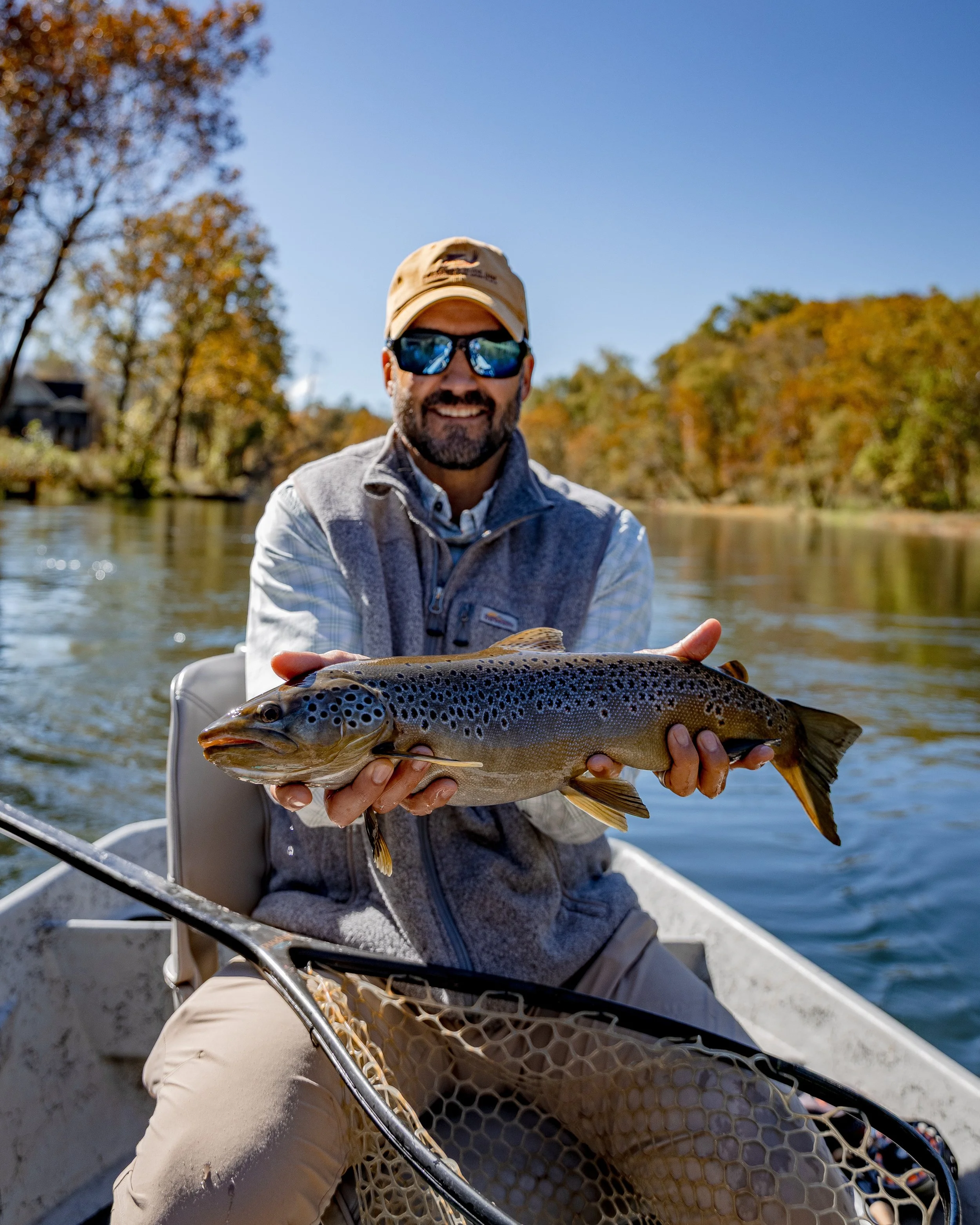
Fall was another fantastic time to be on the Watauga. Little to no high-water flows allowed for some of the best wading opportunities of the year. The river fished well from Wilbur Dam to the Blevins boat ramp—especially if you could get out early ahead of boat traffic.
In early September, bug activity was strong but time-specific. Caddis, sulphurs, and early BWOs provided a variety of fishing opportunities for both dry fly and nymph anglers. From a boat, covering water was key to finding fish. Boat and wade pressure on the Watauga can slow fishing, so don’t be afraid to move.
Dry-dropper rigs worked well, offering surface eats while still picking up fish on nymphs. Smaller CDC pheasant tails, midges, and small perdigons were productive both from the boat and while wading. Don’t shy away from larger flies like girdle bugs or flashier pheasant tails in deep, fast water.
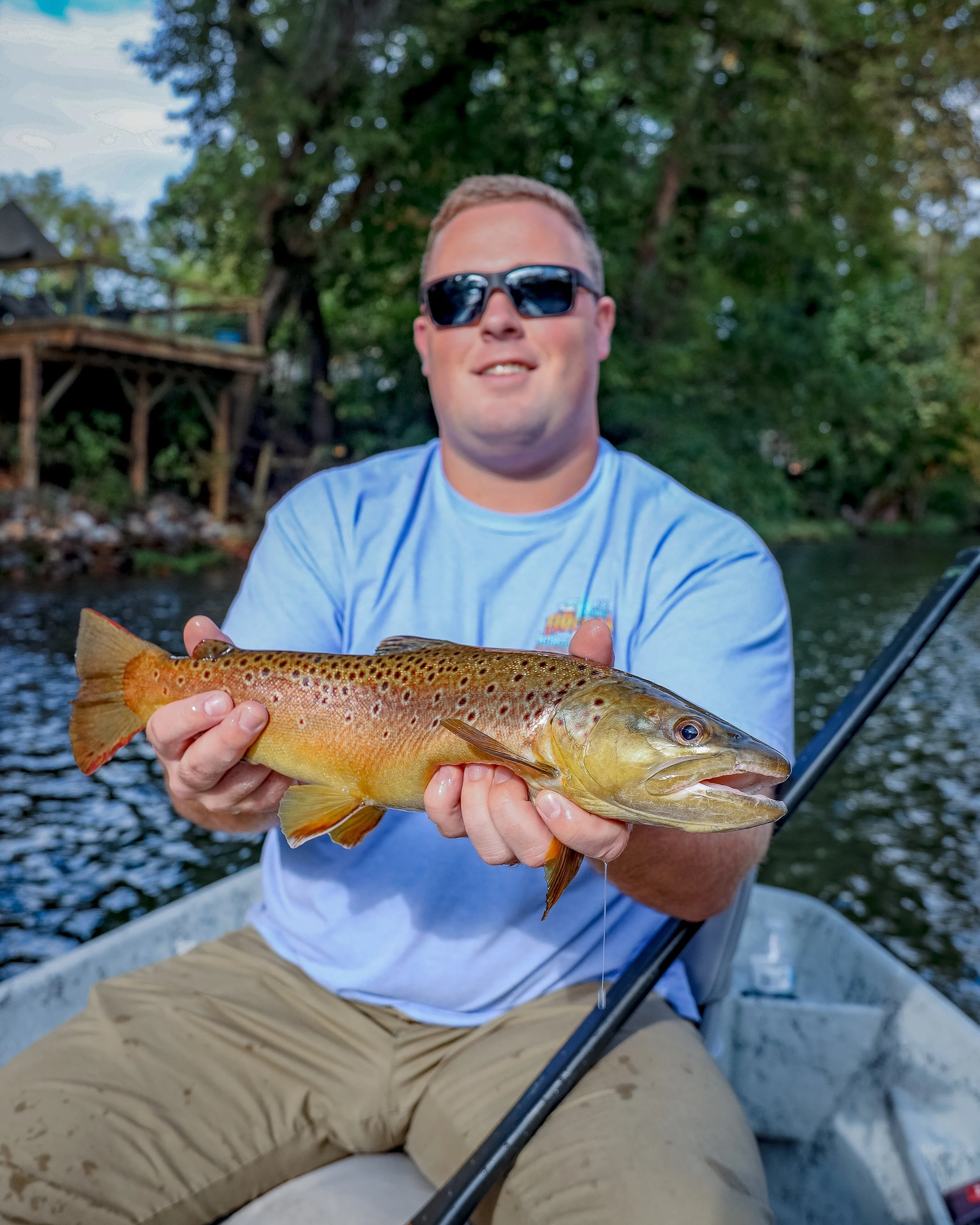
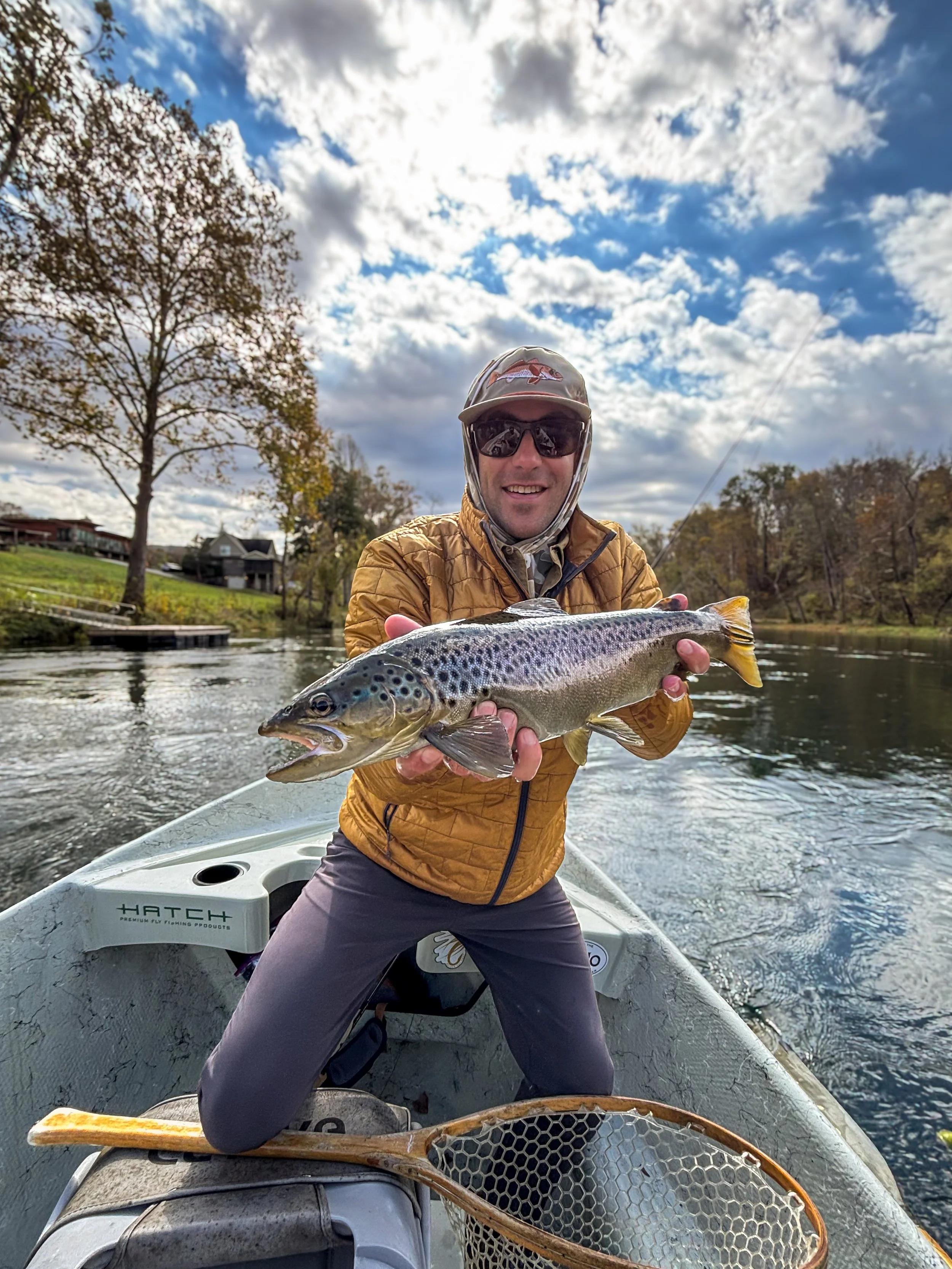
October and November remained consistent with September, with steady flows around 240 CFS. Increased BWO activity led to success with small BWOs and midge emergers. As with the SoHo, long leaders and lighter tippet were important for fooling selective fish. Positioning upstream of rising fish and feeding line to them proved effective.
Nymphing near Wilbur Dam produced good numbers of quality fish. Fish farther upstream were more willing to eat larger, flashier flies, while fish farther down near the “Mud Hole” or Hunter Bridge preferred smaller bugs. Delicate presentations with small mayfly nymphs were key in these areas.
LOOKING AHEAD
We expect consistent flows from Wilbur Dam through spring, holding near the 240 CFS spill rate. Recreational flows won’t begin until summer. We’re looking forward to spring hatches, including Mother’s Day caddis and sulphurs on the Watauga.
Click here for the Wilbur Dam generation schedule!
Suggested Patterns
Nymphs
Sulphur Nymph #16
Quill Body Perdigon #16
Spanish Bullet (Olive) #18
CDC Pheasant Tail Jig #18 (Pink Bead)
Juan’s Jiggidy Jedi #16–18
Girdle Bug #12–14
Dry Flies
Chubby Chernobyl #10–12 (Various Colors)
PMD #16
Sulphur Sparkle Dun #16
Sulphur Puff Daddy #16
BWO Sparkle Dun #16–18
BWO Puff Daddy #16–18
Morgan’s Midge #18–20
Streamers
Wooly Buggers
Olive & Black Dungeons
White Peanut Envy
Shuttle Service Contacts
A solid shuttle driver on the South Holston and Watauga! Tell him we sent you.
Ronny - 423-737-7767