
October 2026 River Report - South Holston & Watauga Rivers
October OVERVIEW
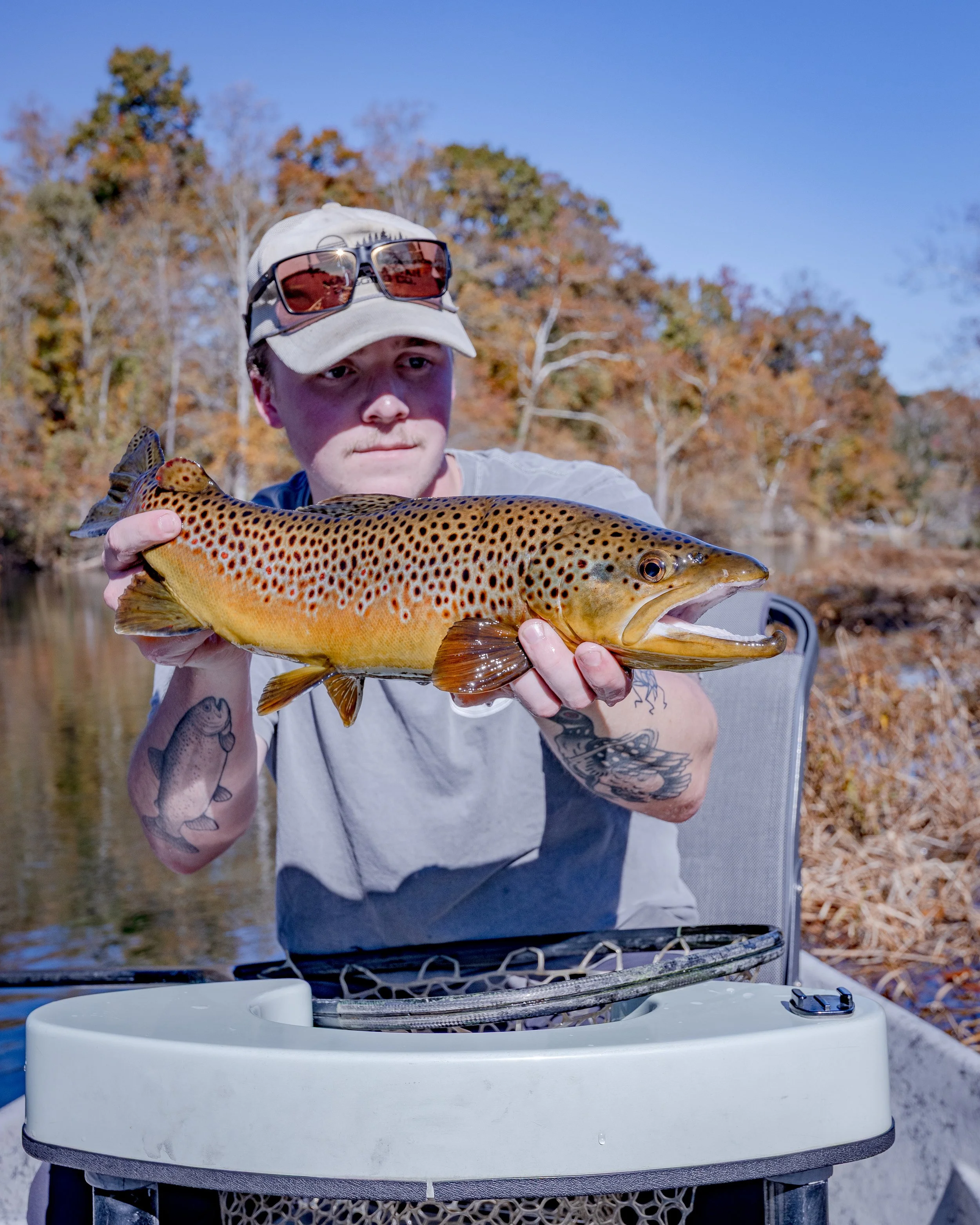
October fishing on the South Holston and Watauga Rivers continued to showcase everything we love about fall fishing. Consistent flows on both rivers provided productive opportunities for both wade and drift boat anglers throughout the month. Similar to September, cooler mornings and warmer afternoons created excellent conditions for both aquatic insects and trout activity.
On the South Holston, TVA adjusted the generation schedule, generally releasing 1,400 cfs from 6 a.m. until midnight. This flow provided drift boat anglers with an excellent opportunity to cover water or slow down and pick apart areas that are typically difficult to fish at the more common 2,000 cfs flow. Afternoons produced some great dry fly opportunities, with continued Sulphur hatches mixed with BWO and black caddis activity later in the day. Plenty of fish were looking up, giving anglers exciting opportunities to target rising trout and creating unforgettable experiences for our clients.
On the Watauga River, we continued to see a one-hour generation pulse in the mornings, generally from 7–8 a.m., followed by lower water until later in the afternoon. This morning pulse pushed considerable debris downstream and made fishing slower during the early hours. Once generation stopped and the river cleared, fishing quickly picked up, and both wade and drift boat anglers found plenty of success.
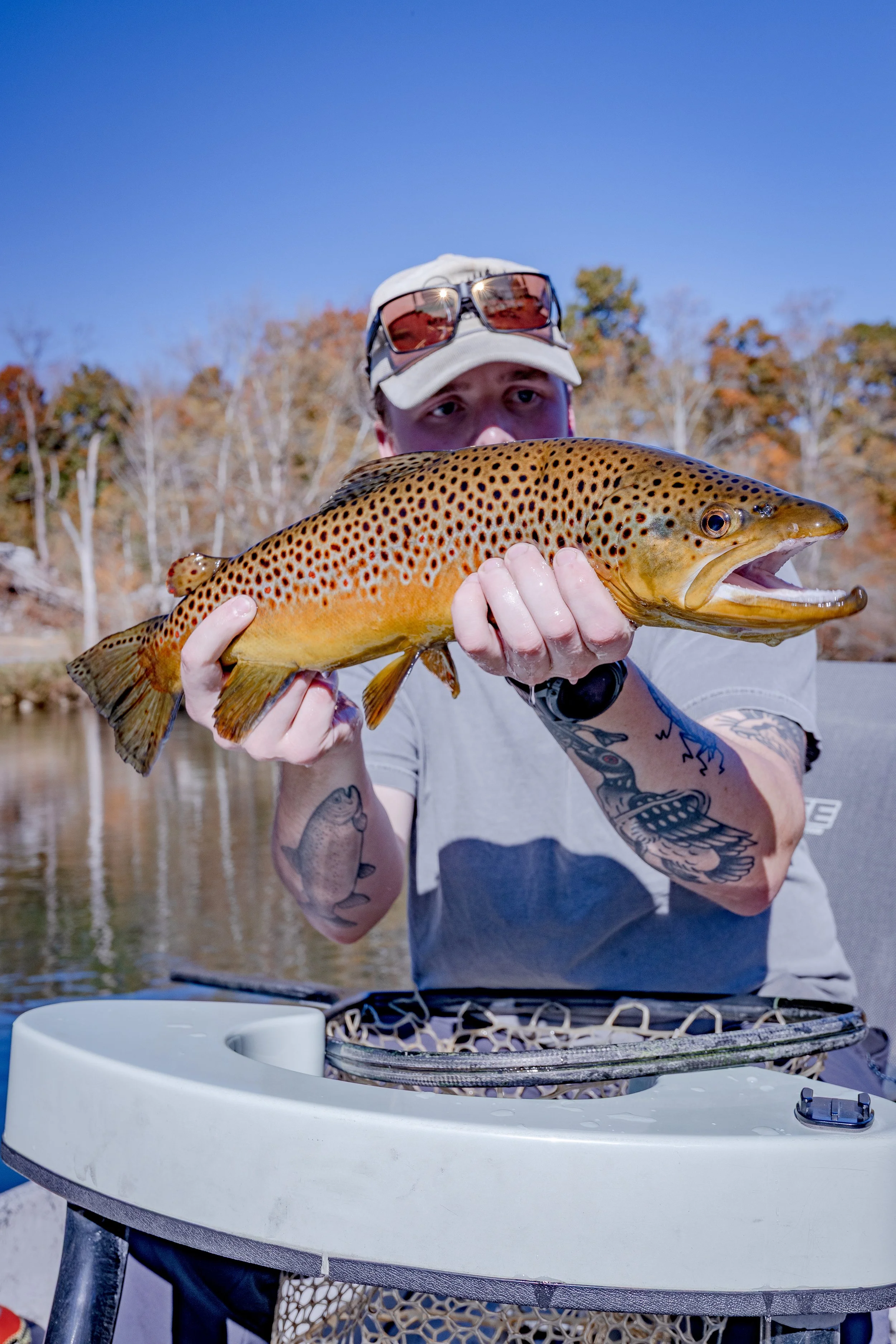
We are also getting closer to the brown trout spawning season. We are beginning to see larger fish pairing up in the upper sections of the rivers. As always, if you see signs of early spawning activity, please leave these fish alone and allow them to do what they need to do!
SOUTH HOLSTON RIVER
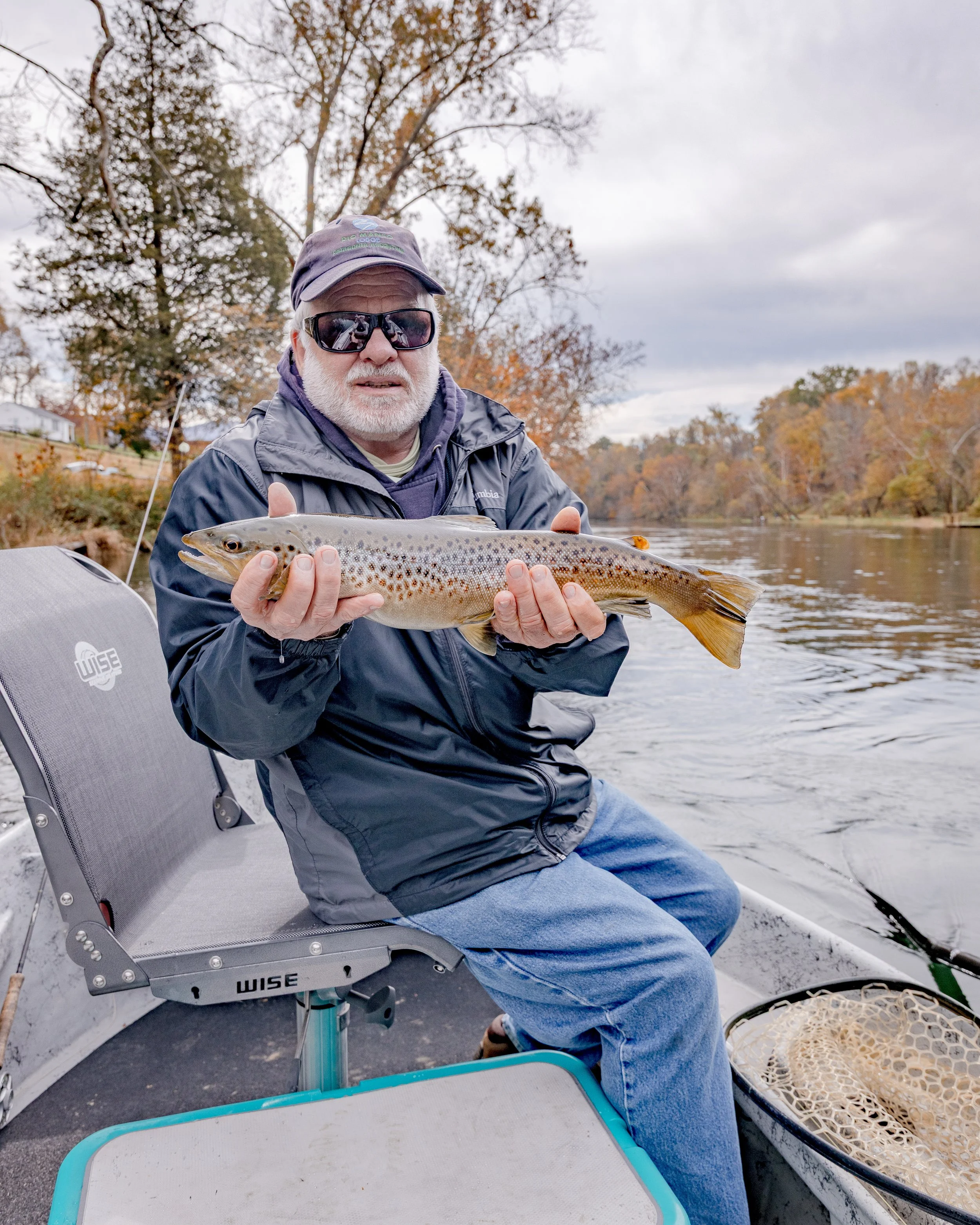
High-water fishing on the South Holston River was spectacular throughout October. Air temperatures remained above average for this time of year, with cooler mornings followed by warm afternoons reaching the upper 70s. Mornings brought prolific midge hatches, while afternoon Sulphur hatches rivaled those we typically see during the middle of summer.
TVA's release of 1,400 cfs created excellent opportunities for anglers nymph fishing from a drift boat, producing good numbers of fish along with a few larger trout.
The in-line nymph rig proved to be the most productive setup at this flow. Fishing shallower water, generally 5–6 feet deep, with only the weight of the flies allowed anglers to target water that is often overlooked by those running deeper nymph rigs. Fishing tight to the banks, slower back eddies, and even deeper water in the middle of the river all produced fish with this lighter setup.
A 7.5–8-foot leader allows for easier turnover when casting these nymph rigs. Running fluorocarbon directly below your indicator helps achieve a quicker sink rate while reducing the amount of leader material near your flies. A small tippet ring or micro swivel can also be helpful with this setup. Yarn indicators proved to be the most productive option for this style of nymphing.
DRY FLY FISHING
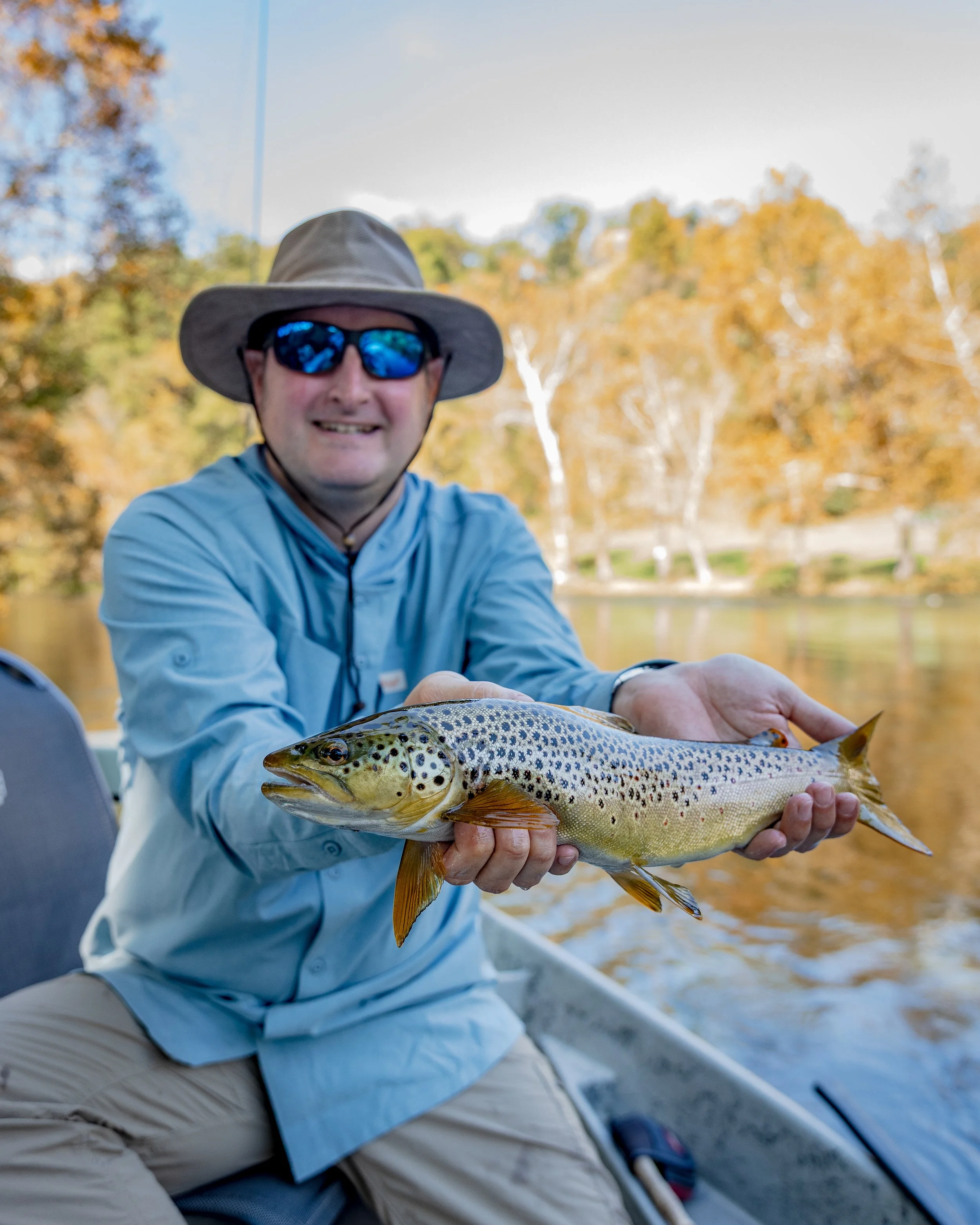
Dry fly fishing continued to be productive for anglers looking to target rising fish during higher water. We consistently saw Sulphur hatches between 2–5 p.m., although as October progressed, these hatches seemed to taper off earlier in the afternoon.
If you can time these hatches correctly, the opportunities can be excellent.
Longer leaders, such as the TroutHunter Finesse 10–12-foot 5X, have been perfect for fooling some of the more selective trout feeding on the surface. Solitude's Comparadun and Sparkle Dun in size 18 have been two of our top-producing patterns.
Long, drag-free drifts are key to success when targeting these rising fish as we continue moving deeper into fall. We are also approaching the time of year when BWO hatches become more prominent, so don't shy away from adding a few patterns to your fly box. Fishing a BWO dun during the later-season Sulphur hatches can produce a fish or two when trout become particularly selective.
STREAMER FISHING
There are also plenty of streamer opportunities to be had during higher water. Full-sinking streamer lines, such as the Scientific Anglers I/3/5, have been excellent for targeting banks and larger sections of open water. We also were able to dead drift shad patterns as the South Holston Lake started to turn over during the month of October giving us a shad kill.
Streamers such as Galloup's Peanut Envy, Mini Dungeons, and MFC Sparkle Minnows have become increasingly productive as the season progresses.
WADE FISHING NOTES
Wade anglers had limited opportunities on the South Holston until later in October. Looking ahead at the generation schedule, it appears November should provide more opportunities for wade fishing.
During the limited low-water periods we experienced, the usual patterns continued to produce. Midges and small Baetis nymphs, including the Fulling Mill Weiss Dark Copper in size 18 and the SOHO Midge in sizes 18–20, were productive.
Pheasant Tails and scuds also produced well in slightly faster, deeper water. Adding a small split shot or using a heavier point fly helped get these patterns down to the fish.
In longer, slower runs, an olive midge with a copper bead in size 18 and a black nickel-beaded size 20 Stripper Midge were particularly effective.
These trout have plenty of time to inspect your flies during low water, so fishing smaller patterns with longer leaders is important. A 10–12-foot TroutHunter Finesse Leader paired with a trimmed-down yarn indicator helped fool some of these more selective fish.
Click here for the South Holston Dam generation schedule!
Suggested Patterns
Nymphs
Donnie’s Quill Body #18
Donnie’s SOHO midge #18
Weiss Dark ( 2.0mm Copper Bead) #18-20
Fullingmill Gut Sack Sow Bug
Fullingmill CDC PT (Pink Bead)
Solitude's Split Case, size 18
Olive Midge (Black Nickel Bead) #18-20
Dry Flies
Birchell’s Hatch Midge #18–20
Sulphur CDC Comparadun #16–18
Sulphur Deer Hair Comparadun #18
Sulphur CDC Puff Daddy #18
WATAUGA RIVER
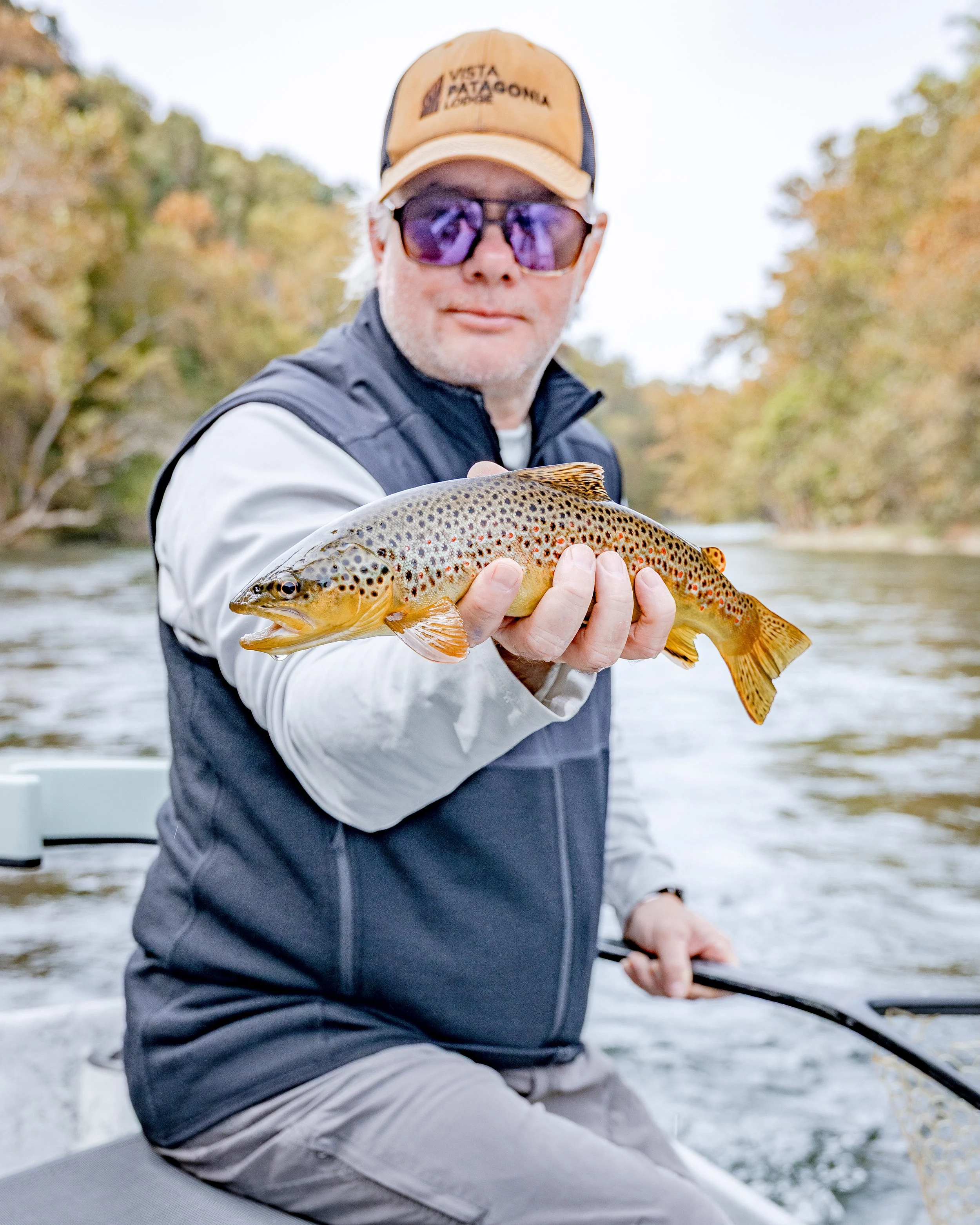
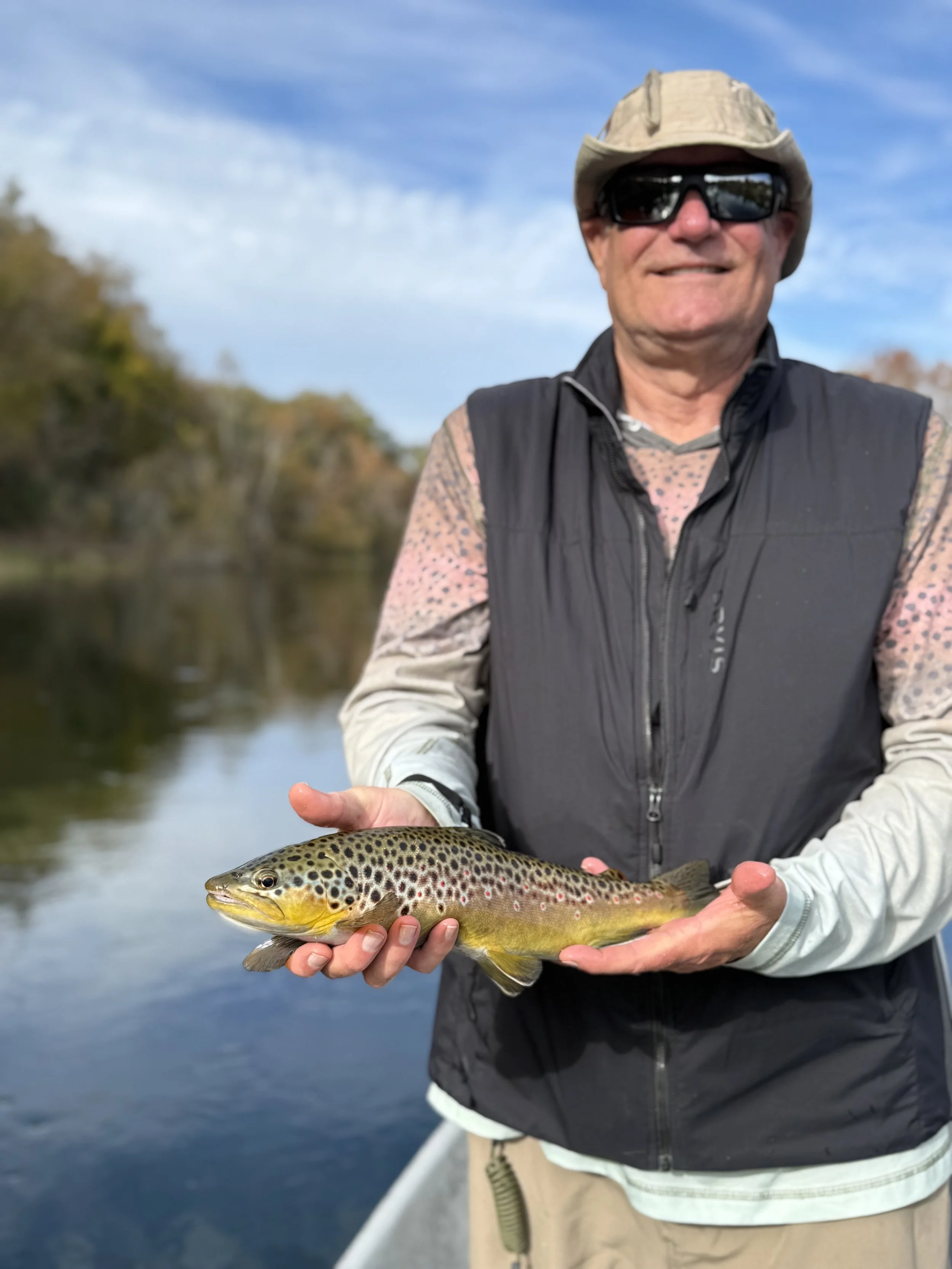
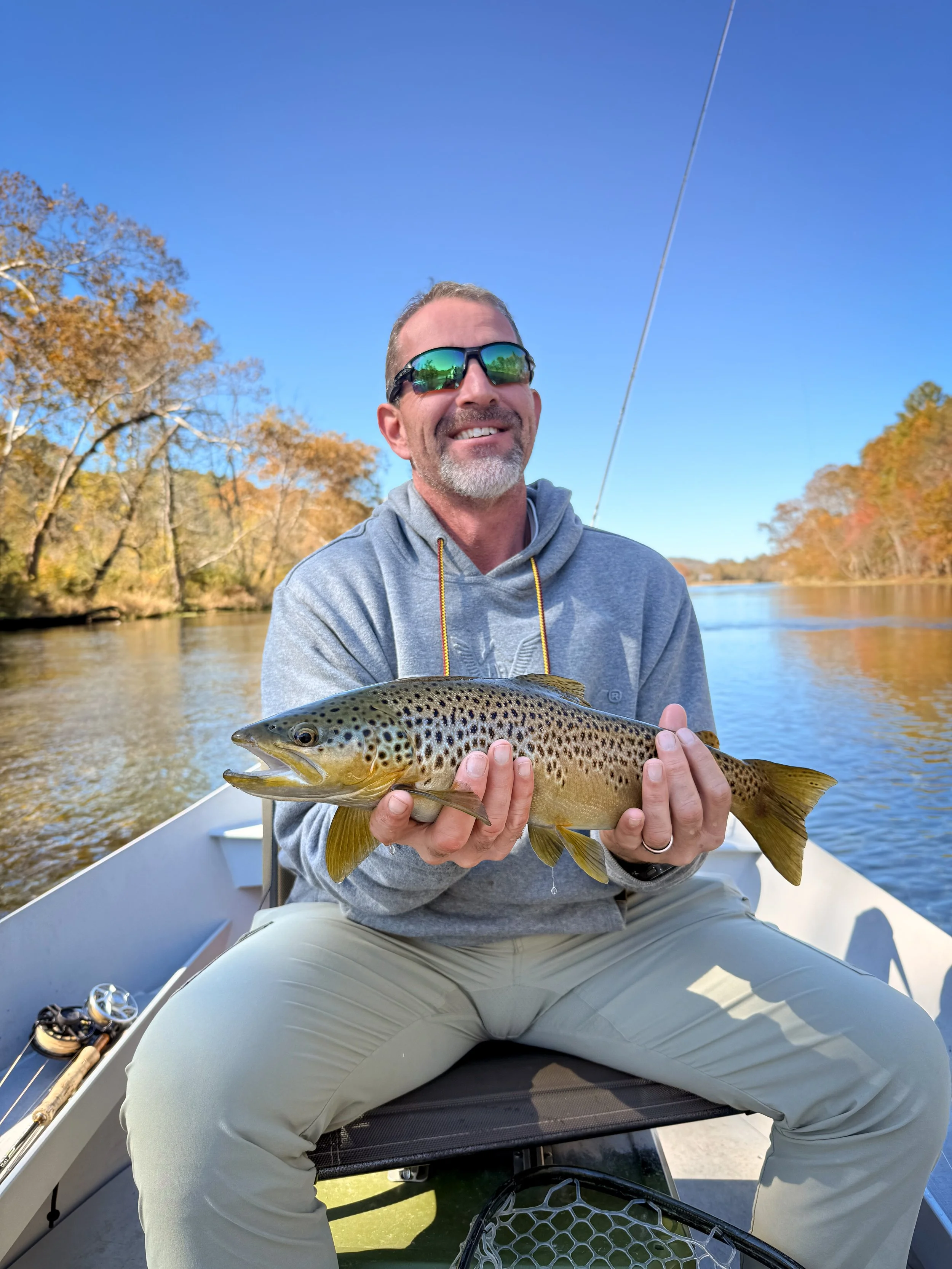
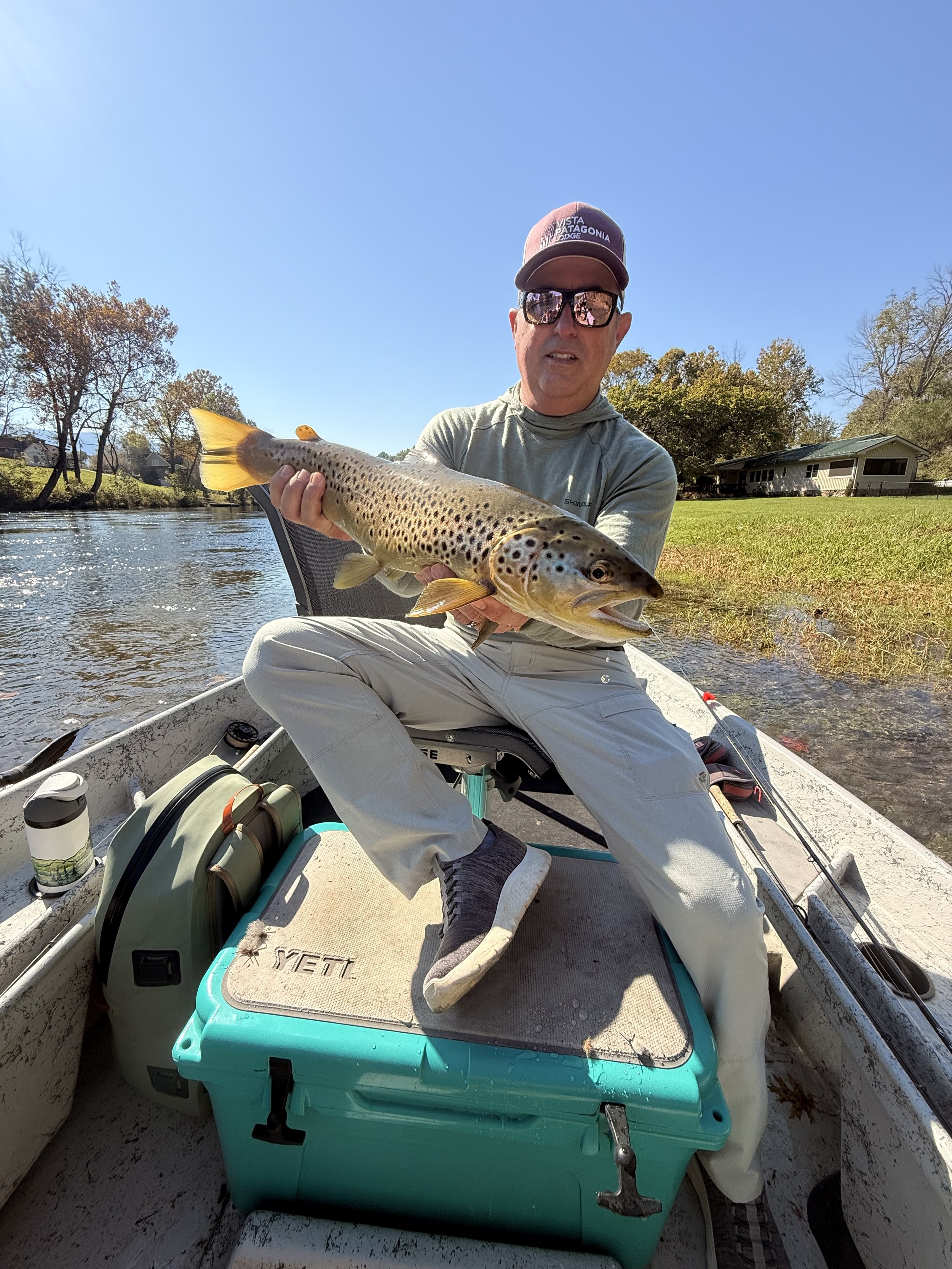
Like the South Holston, the Watauga River experienced varying flows throughout October. We continued to see a consistent one-hour generation pulse during the early morning, followed by either lower water for the remainder of the day or an afternoon generation schedule beginning around 1 p.m. and continuing into the evening.
The morning generation pulse typically comes and goes fairly quickly, so don't let it discourage you from getting out and wading. The falling water continues to fish very well, and anglers can get away with throwing larger patterns from the Pheasant Tail and Perdigon families.
Cooler mornings produced good midge activity along with smaller Baetis patterns. Our afternoon setups remained relatively unchanged, with the main focus being to have a rod ready for fish that began feeding on the surface.
When fishing flatter water, a slightly heavier point fly paired with a small midge, typically in an olive color, or a standard Pheasant Tail continued to produce fish.
When TVA generated water during the afternoons, in-line nymph rigs remained our most productive approach. We typically fished these setups around 5 feet deep, using a heavier, flashier fly with a smaller nymph trailing below.
Click here for the Wilbur Dam generation schedule!
Suggested Patterns
Nymphs
Olsen’s Taco Egg #18
PT Frenchie #16
Weiss Dark/Light #16-18
Caddis Puppa #16-18
Dry Flies
Chubby Chernobyl #10–12 (Various Colors)
Sulphur Sparkle Dun #18
Sulphur Puff Daddy #18
Shuttle Service Contacts
A solid shuttle driver on the South Holston and Watauga! Tell him we sent you.
Ronnie - 423-737-7767